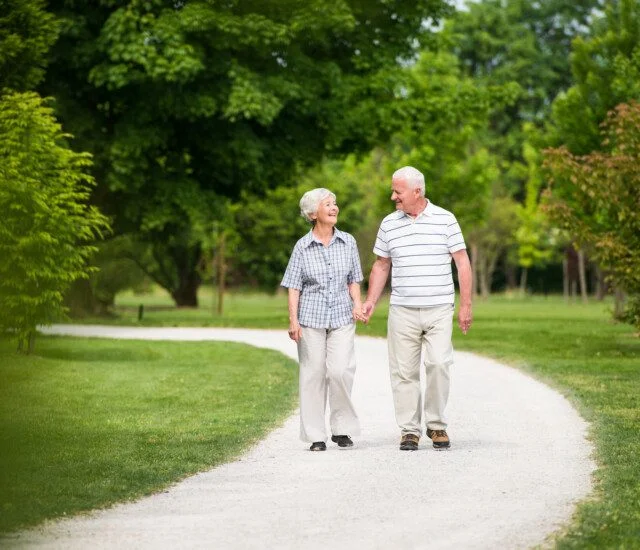
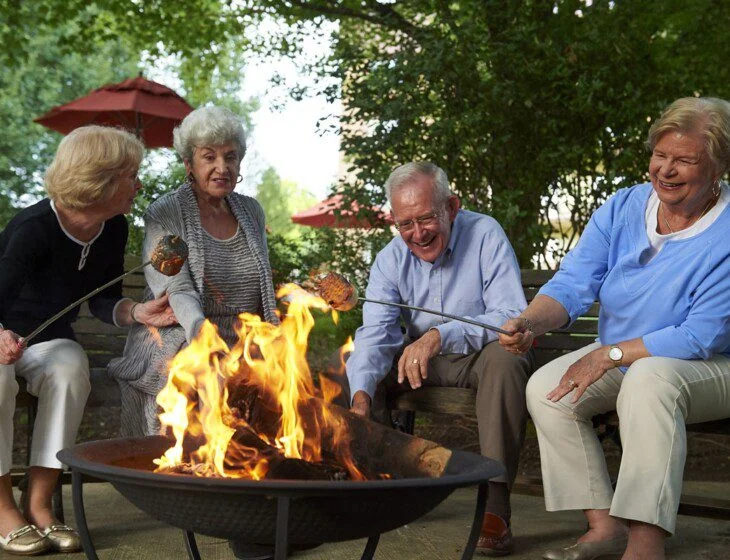
Ask someone who lives at Friendship Village of South Hills what surprised them most about moving in, and you'll hear a version of the same answer repeatedly: they didn't expect to make friends this quickly. Not acquaintances. Friends—people who save them a seat, show up when it matters, and make an ordinary Tuesday feel like somewhere worth being.
That experience is more significant than it might sound—because for many older adults, that quality of daily social life is precisely what's been missing. The CDC identifies social isolation and loneliness as significant risk factors for dementia, heart disease, stroke, and depression in older adults—and the conditions that create it often arrive gradually.
Retirement, the loss of a spouse, a neighborhood that has changed around you—each one quietly reduces the occasions for the kind of regular, familiar human contact that sustains both health and happiness.
Community living is one of the most direct and well-documented responses to that reality. And at Friendship Village of South Hills in Upper St. Clair, Pennsylvania, it's something the community has been delivering by design for decades.
Key Takeaways:
- Social isolation is a documented health risk for older adults, but community living is one of the most effective ways to counter it.
- The quality of social relationships matters as much as their frequency—and Friendship Village of South Hills is built to cultivate both.
- From reimagined gathering spaces to a deeply embedded culture of welcome, Friendship Village of South Hills makes connection a natural part of every day.
Spaces Designed to Bring People Together
One of the most important things a community can do to address senior isolation is to remove the friction between residents and social opportunities. At Friendship Village of South Hills, that friction has been deliberately eliminated through spaces that are open, inviting, and oriented toward the kind of spontaneous interaction that deepens into lasting friendship over time.
A performing arts center and modern cinema give residents regular shared experiences—the kind that generate conversation and laughter long after the credits roll. Billiards rooms and social lounges create a lower-key gathering without an agenda. A library, resident clubs, and activity groups covering a wide range of interests provide the recurring framework that turns acquaintances into people you look forward to seeing each week.
A 2025 Forbes analysis on senior living and loneliness found that the quality of social relationships within a community—not just how often contact occurs—is the primary driver of well-being outcomes for older adults. Spaces curated for real conversation, shared interests, and recurring contact are the infrastructure of that quality—and at Friendship Village of South Hills, those spaces are everywhere.
Why the Occasions for Social Interaction Matter So Much
The challenge most older adults face isn't a lack of interest in connection—it's a lack of occasions for it. The structures that once facilitated social contact automatically—careers, neighborhood ties, the rhythms of raising a family—evolve over time, and unless something replaces them, the calendar fills with solitary tasks rather than shared ones.
The National Institute on Aging notes that retirement, loss of a spouse, and reduced mobility are among the most common contributors to decreased social engagement for older adults. Community living rebuilds that structure deliberately—and at Friendship Village of South Hills, it does so with a warmth that residents describe as immediate. The welcome here isn't something you wait for. It meets you at the door.
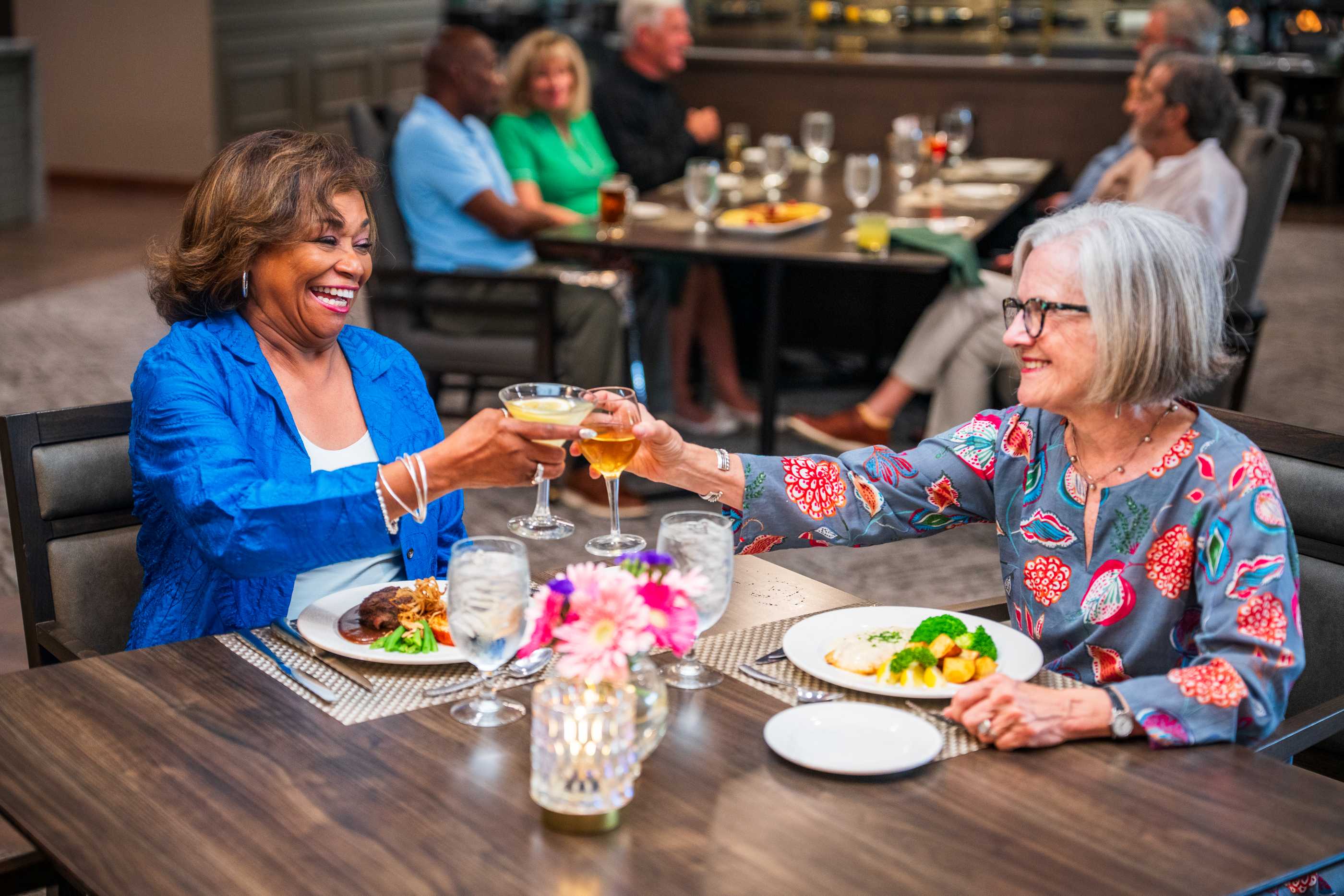
For residents who want a full social calendar, the programming and clubs are there. For those who prefer more spontaneous interaction, the lounges, library, and shared dining spaces make daily contact effortless. And for everyone, the simple act of sharing meals with familiar faces—multiple times a day—delivers exactly what the research identifies as most protective against isolation: steady, low-pressure human presence.
Peer-reviewed studies confirm that even regular, low-intensity social contact carries measurable cognitive and emotional benefits for older adults—and that its consistency over time is what makes the difference. A community that aims to make consistency feel natural is doing something important for the health of everyone who lives there.
The Difference a Culture Makes
Friendship Village of South Hills is more than just friendly in name. Residents and visitors repeatedly describe an atmosphere of authentic enthusiasm for new faces—a community where people are excited to welcome you, celebrate your history, and invest in knowing you. That culture was built over decades by the residents themselves, and it's one that new residents step into from day one.
Survey data from U.S. News & World Report found that senior living residents report significantly higher rates of daily social engagement and overall well-being than older adults living independently at home. At Friendship Village of South Hills, those numbers have faces and names—neighbors who noticed you were gone, friends who saved your seat, and a community that made belonging feel less like something you earned and more like something you walked into.
Find Your People at Friendship Village of South Hills
Explore life at Friendship Village of South Hills and see what it looks like to live somewhere the welcome is real, the connections run deep, and the social life you didn't know you were missing has been here all along. Contact us to schedule a tour or speak with our team.